
Government Elections Outcome and Next Steps – What Does It Mean for Hydrogen Import Policies?
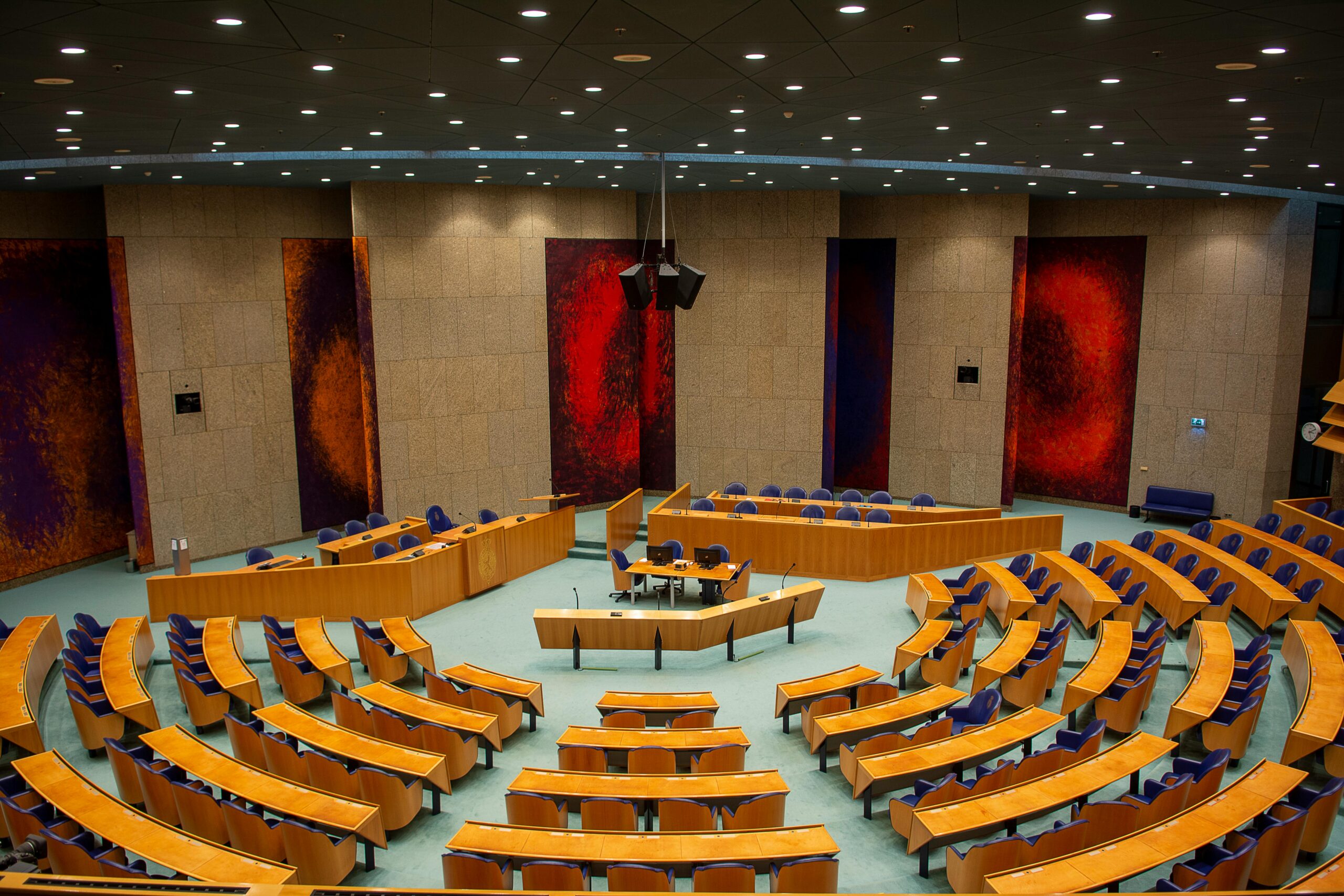
After an intensive campaign and elections, the outcome of the elections have been determined by the ANP. D66 is the winner, gaining 26 seats, PVV follows (also 26 seats), VVD has 22 seats, GroenLinks-PvdA 20 seats, and CDA 18 seats. An exploration phase began, in which an ‘verkenner’ consulted with all party leaders to explore coalition possibilities. The most recent outcome is that the parties D66 and CDA are entering the information phase together, working towards a concept coalition agreement, focusing on ‘migration’, ‘housing ‘and all to relevant for H2A: energy.
Positions D66 and CDA on energy and import of hydrogen
In the past, both D66 (progressive, social-liberal) as well as CDA (more conservative, strong social component) have delivered ministerial positions for the Climate portfolio. However, as mentioned before, it was especially D66 ( Rob Jetten) who laid the foundation for international energy diplomacy to push hydrogen import. From a perspective of energy security and resilience, D66 is a pioneer to support the efforts to ensure the national energy supply through ports.
With D66 and CDA as governing parties, we can expect that hydrogen import will again be an element of the national climate strategy. D66 states in its program that green hydrogen plays an important role in the energy transition, particularly where electrification is insufficient. Import projects are emphasized, such as developing a public hydrogen network, and supporting initiatives for production and import of hydrogen in port areas.
CDA is less focused om import per se but values the international climate agreements and believes the Dutch government should play a key role in achieving those decarbonisation goals. Hydrogen needs to be part of the future energy mix, and for CDA is it important to phase out LNG imports. This brings forwards opportunities for new renewable import streams.
Next Steps
In the coming months, the process will move from the information phase to the formation phase, where ministerial positions and portfolios are negotiated.
While D66 and CDA are currently exploring options together, other parties may also enter discussions, and alternative coalitions remain possible. The final composition of the cabinet will depend on these negotiations and the ability to reach a majority agreement in parliament.
Photo credits: Jan van der Wolf